Small Insect, Big Impact: the Black Soldier Fly
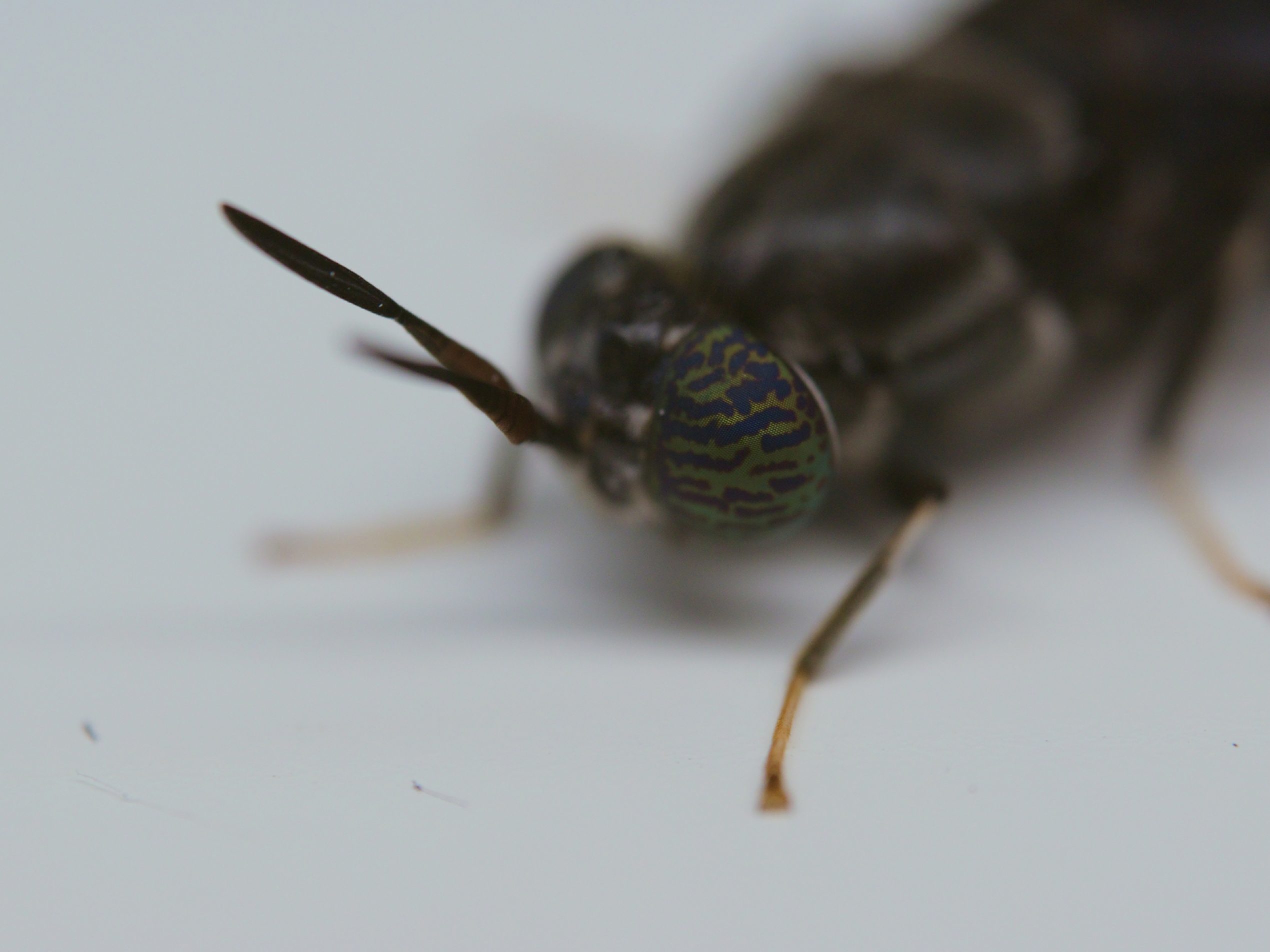
What does tomorrow’s animal feed look like? The insect protein from the black soldier fly — a resource-conserving source of protein — could provide us with the answer. This fly species, originally native to South America, is being deployed as part of a project being run by PreZero, our environmental service provider. In the meantime, the fly is now widespread in Europe but, despite its military-sounding name, it is quite harmless. Its larvae are exceptionally rich in protein and may be processed into animal feed, for example. This is precisely what PreZero wants to use so as to utilize unavoidable food waste from our retail divisions Lidl and Kaufland, for instance.
In this way, the tiny helpers could offer the companies of Schwarz Group an efficient way of returning valuable nutrients back into the animal feed loop by changing food waste into valuable proteins, which represents a potential revolution in protein production for sustainable animal feed. The project also underpins the jointly elaborated circular economy strategy „REset Resources“. For, the use of the fly larvae as a premium recycling process for the creation of new recyclable materials is a direct example of the “REcycle” action area.
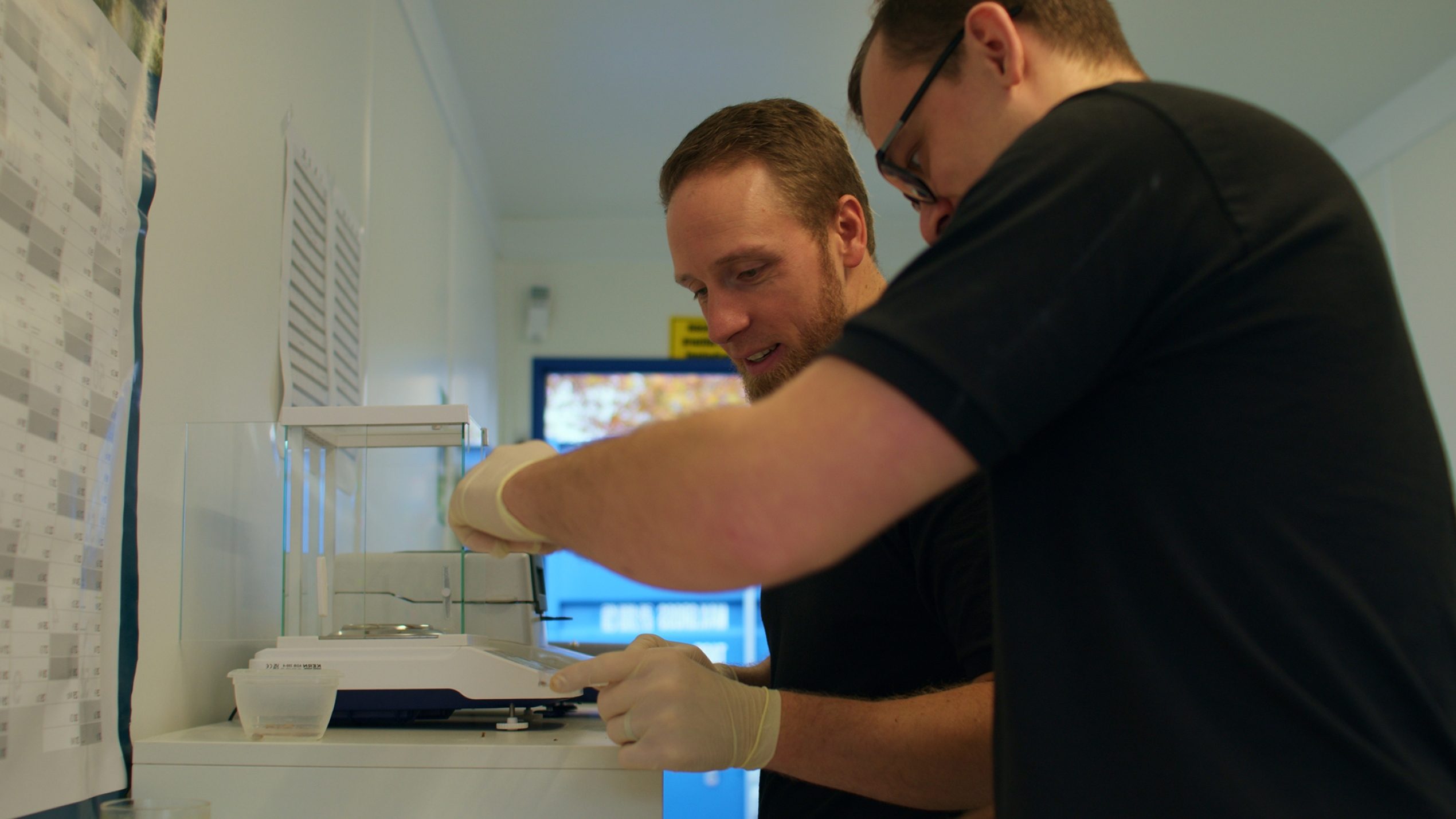
This Is How Resource-Conserving Animal Feed Is Produced
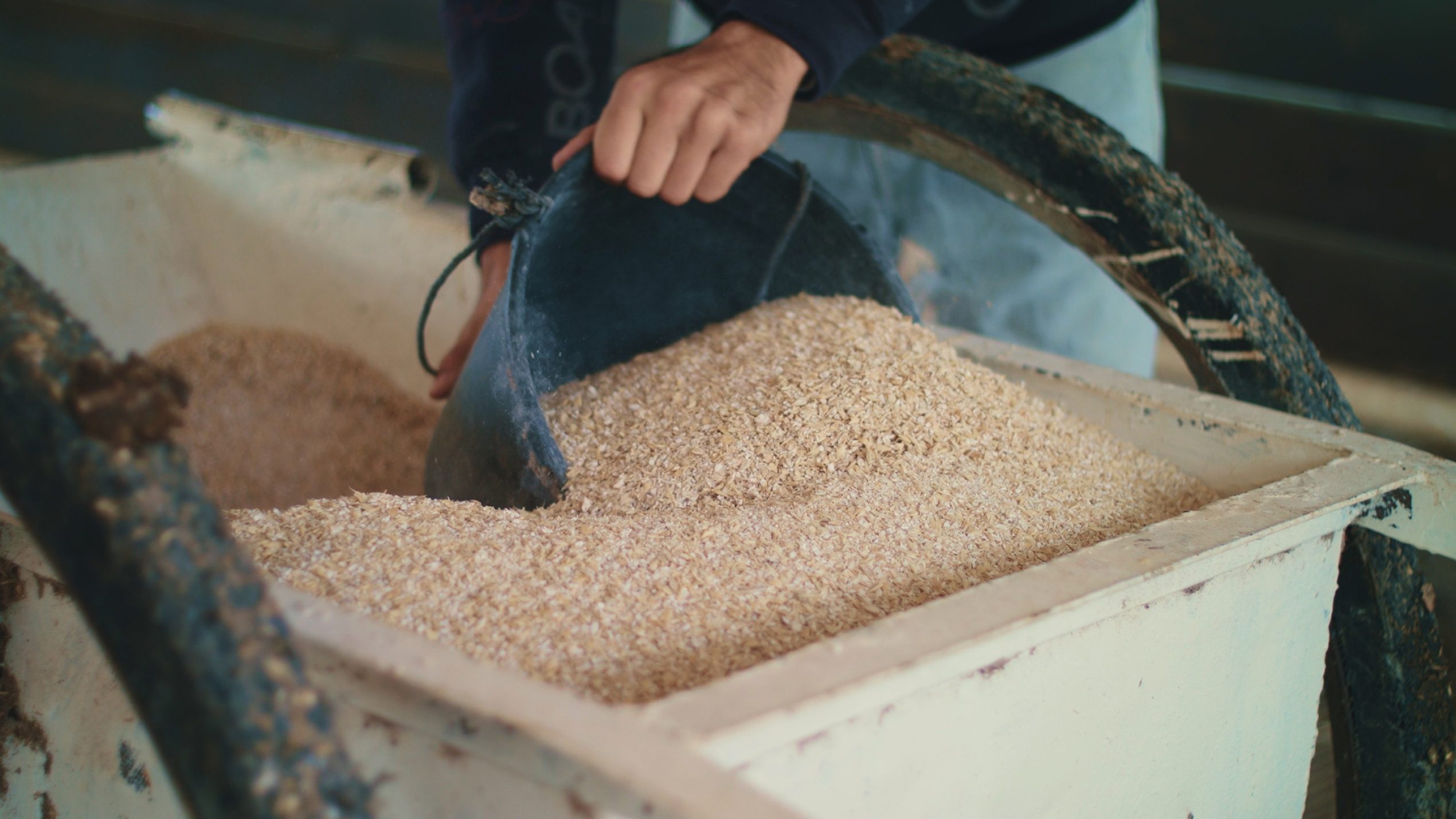
How does the production of insect protein work? In accordance with the principles of the circular economy, residual organic material is retained in the nutrient loop because it is used as feed for the larvae of the black soldier fly. The small material recyclers break down residual organic material from food processing operations, rendering the nutrients that it contains reusable. The larvae are then refined into high-quality protein flour and insect oil. In this way, they can also be used in animal feed. As such, the small helpers offer an enormously efficient way of using organic waste, thus avoiding food waste.
The “Black Soldier Fly” project opens up progressive alternatives in waste recycling. In addition to using protein flour as feed or as an organic fertilizer, the fat from the larvae may also be further processed into lubricants or fuels, for example. PreZero is currently researching how the production of livestock feed can be implemented on an industrial scale.