How the Companies of Schwarz Group Are Rethinking Construction
From a Recyclable Material to Construction. From a Vision to Reality.
Sustainable construction is far more than just a compulsory exercise for the companies of Schwarz Group. It is a clear commitment to conserving resources, reducing carbon emissions and actively shaping the future of construction.
The Circular Economy as a Foundation
Today’s waste becomes tomorrow’s new construction projects: Together with Schwarz Corporate Solutions and PreZero International, we are developing solutions to feed recycled products back into the construction industry.
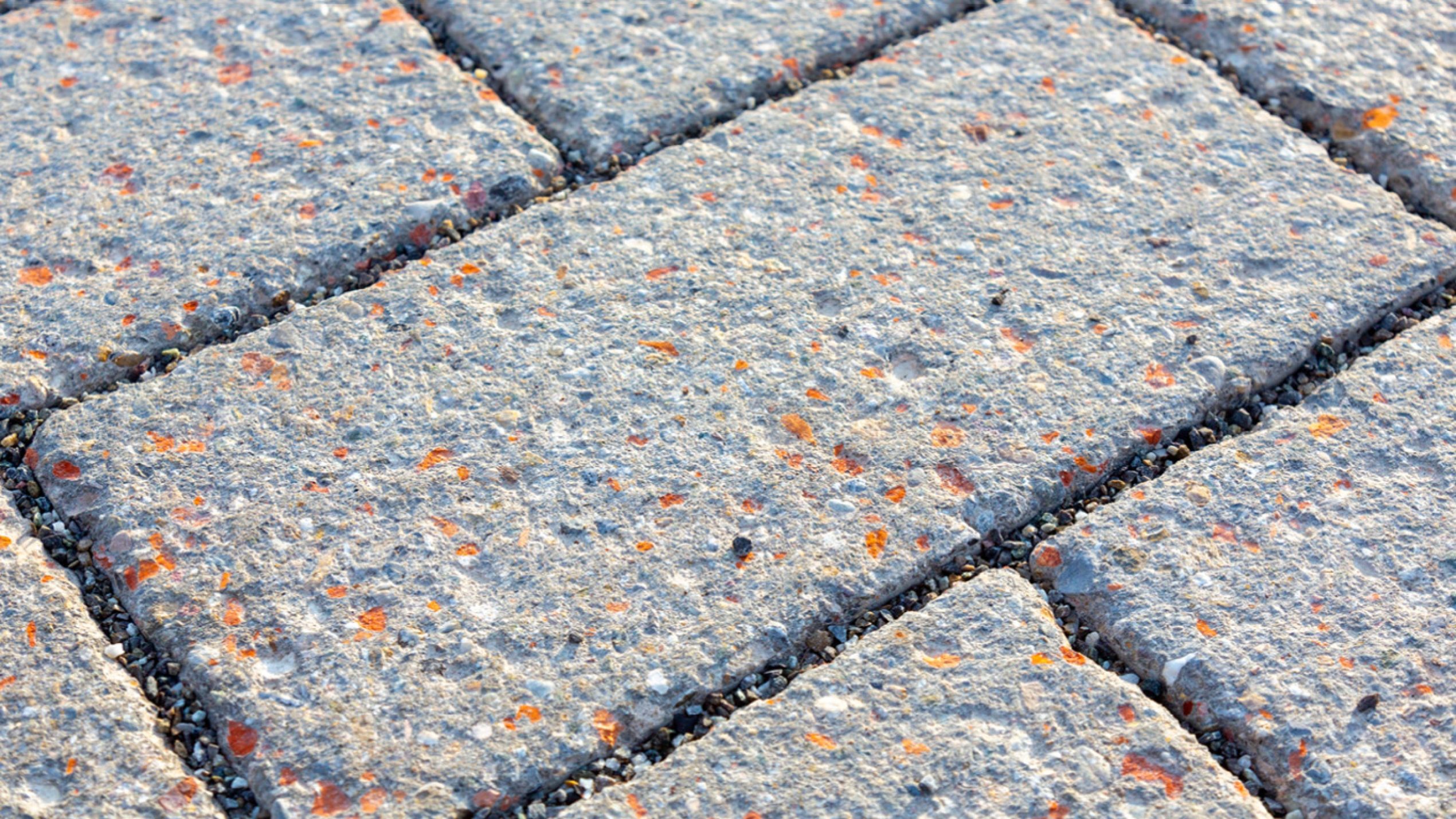
We have created durable checkout dividers, benches, grass pavers, roof sheeting and crash rail elements made from recycled plastic. These are not only put to effective use in logistics properties and Lidl and Kaufland stores, but are also helping us to save considerable quantities of primary raw materials:
- 489 tons of new plastic through the use of recycled crash rail elements
- 348 tons of new plastic through the use of roof sheeting made from recycled plastic film
- 20 tons of new plastic annually through the use of recycled checkout dividers on checkout belts
Through these initiatives, we are establishing the circular economy as a core component of sustainable construction and real estate projects.
Improving Energy Efficiency and Reducing Carbon in Buildings
As well as addressing material innovations, we are also focusing on energy efficiency:
- 2,231 buildings of the companies of Schwarz Group already use heat recovery from refrigeration systems
- Natural refrigerants such as CO₂ or propane are used in 4,818 buildings
- Fossil heating systems are gradually being replaced by heat pumps
One particular highlight is an urban district planned by Schwarz Immobilien Service GmbH & Co. KG, which boasts an innovative energy concept: Waste heat from a Kaufland production plant, renewable energies and thermal storage facilities form an intelligent, efficient energy network.
Certified Sustainability
We regularly have our buildings certified in line with internationally recognized standards, including DGNB, BREEAM, LEED and EDGE, to ensure that our achievements are measurable. These standards ensure that carbon emissions are reduced, environmentally friendly materials are used, and energy and resource consumption are consistently minimized. Thousands of our stores and logistics centers already meet these requirements: Within the space of just one year, from 2023 to 2024, the total number of sustainability-certified buildings rose by 34 percent. Lidl applies international certification standards at over 4,600 stores, administrative centers and goods distribution centers across 31 countries. In Germany, Lidl is aiming to achieve EDGE certification for around 1,200 stores by the end of 2025. Kaufland has initiated certification processes across all countries and has already completed these processes for the majority of its stores. Schwarz Digits’ data center in Austria has also been awarded a DGNB Gold certificate.
Flagship Projects for the Future
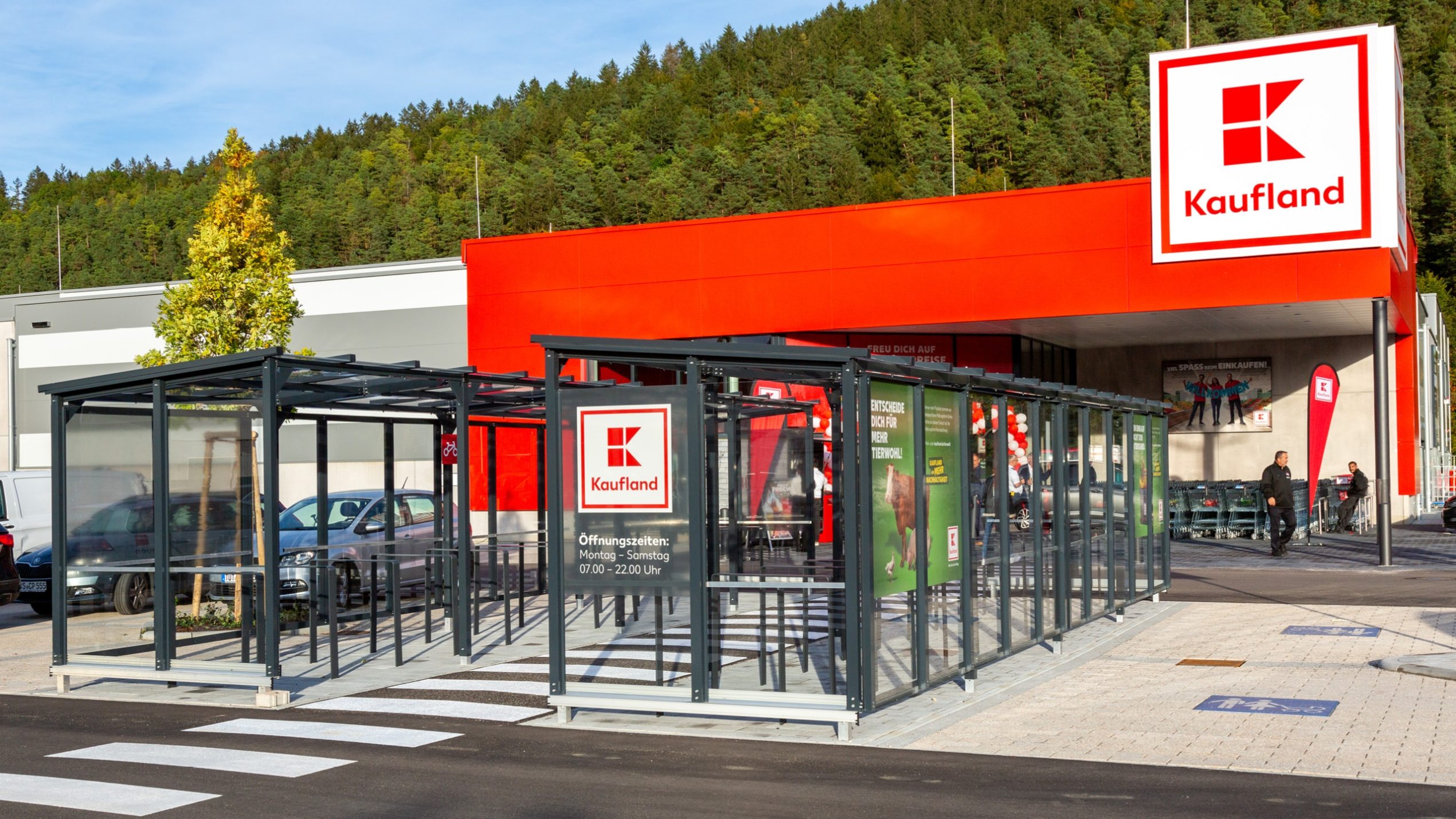
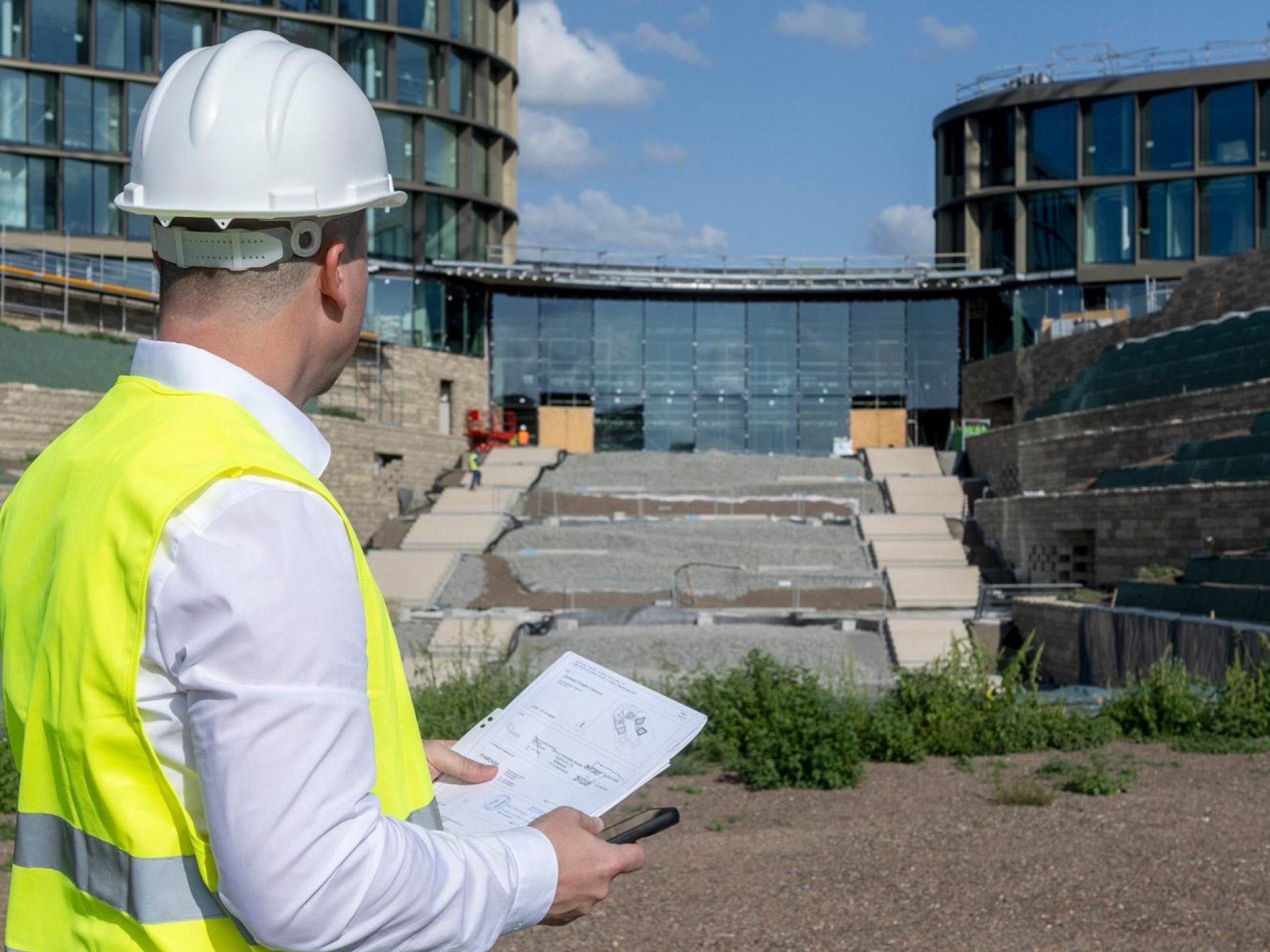
Whether it is the timber construction of the Lidl stores in Albstadt-Ebingen, Wangen im Allgäu and Munich or the Kaufland store in Marktredwitz – the companies of Schwarz Group are demonstrating how sustainable construction can be incorporated and implemented in the life cycle of a building through all manner of innovative projects:
- Timber and hybrid buildings in Germany, Romania and Slovakia
- Photovoltaics and rainwater management for self-sufficient stores
- DGNB Platinum certificates for administrative and goods distribution centers and stores
These flagship projects also serve as testing grounds for technologies that will be rolled out even more widely in the future.
Sustainable Construction as Part of an Overarching Strategy
The commitment to sustainable construction is embedded in the overarching mission pursued by the companies of Schwarz Group: Acting ahead means combining environmental responsibility with economic viability. The circular economy, energy efficiency and international standards are not a contradiction in terms, but complement each other to create a holistic architecture for change and thus form a crucial cornerstone on our way to net-zero by 2050.
“The circular economy is the architecture for change in the construction industry. Our teams in the companies of Schwarz Group are shaping this change by means of forward-looking projects that make optimum use of resources and focus on reuse,” says Elisabeth Rubba, civil engineer (B. Eng.) at GreenCycle GmbH and responsible for the development of recycled products for the companies of Schwarz Group’s own use.
Sustainable construction at the companies of Schwarz Group is far more than just a concept: It is a path to the future – one that we are already determinedly pursuing today.